
Inflation is hitting small businesses hard across America, and the consequences are dire. With rising costs of goods and services, coupled with stagnant revenues, many small business owners find themselves struggling to make ends meet. For some, the situation has become so dire that they are faced with the heartbreaking decision of closing their doors for good. Others are resorting to extreme measures, taking on second and even third jobs just to provide for their families. In this blog post, we’ll explore the challenges faced by small businesses in the current economic climate and shed light on the human toll of inflation.
The Impact of Inflation on Small Businesses
Inflation, the relentless rise in prices over time, is a phenomenon that affects businesses of all sizes. However, small businesses are particularly vulnerable due to their limited resources and inability to absorb increased costs. From higher rents and utility bills to increased wages and supply chain disruptions, the inflationary pressures are squeezing small businesses from every angle.
For retail businesses, the cost of inventory has skyrocketed, making it difficult to maintain competitive pricing while still turning a profit. Service-based businesses, on the other hand, are grappling with the rising costs of labor and overhead expenses, putting pressure on already slim margins. Inflation also affects consumer behavior, as customers become more price-sensitive and cut back on discretionary spending, further impacting small businesses’ bottom line.
The Human Toll of Inflation
Behind the staggering statistics and economic indicators are real people – small business owners who have poured their blood, sweat, and tears into building their dreams. For many of these entrepreneurs, their business is not just a source of income but a labor of love, a reflection of their passion and dedication.
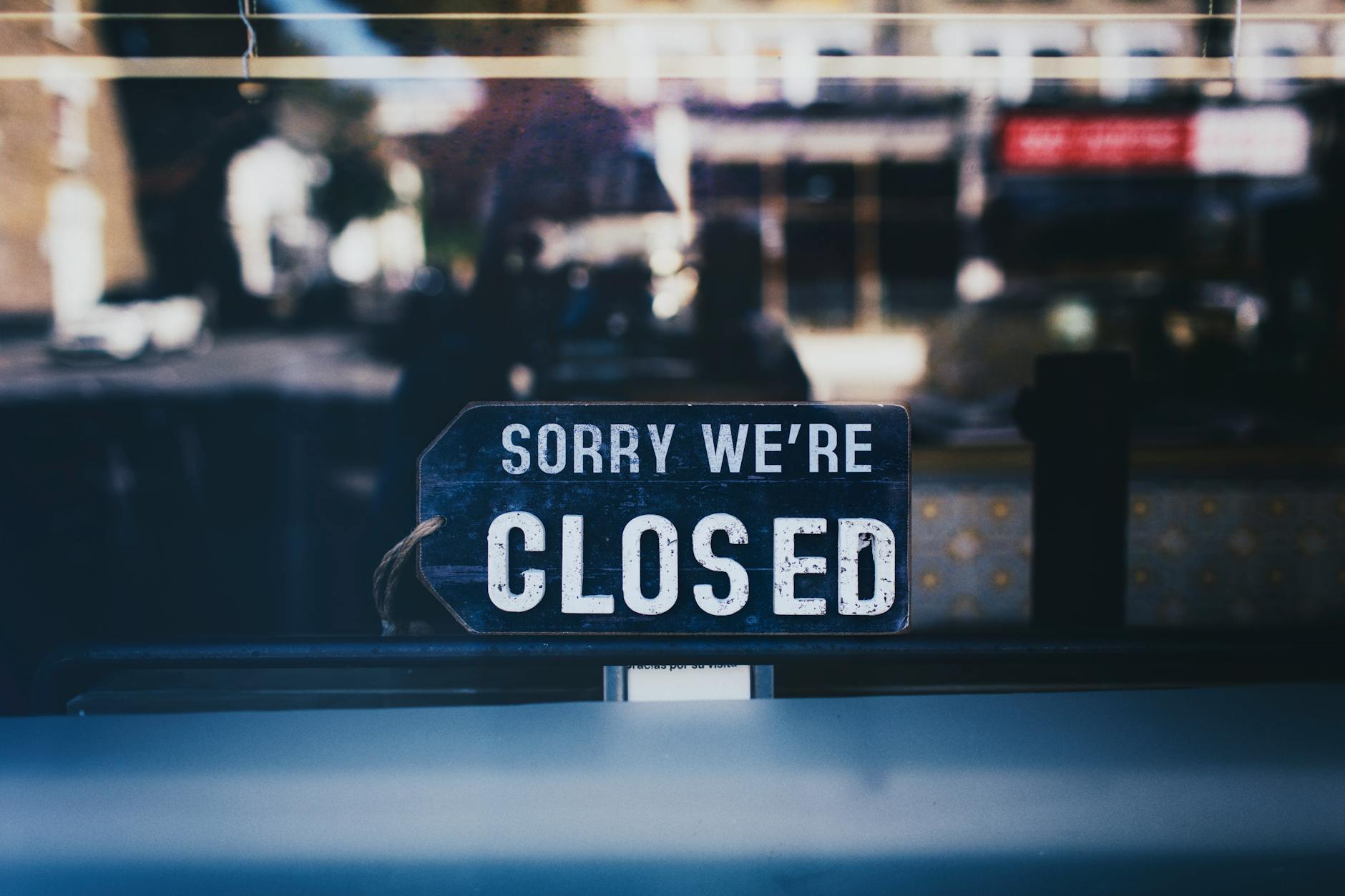
Yet, as inflation continues to erode their profits, these small business owners are facing impossible choices. Some are forced to lay off employees or reduce their hours, adding to the already alarming levels of unemployment. Others are cutting corners, sacrificing quality or customer service in a desperate bid to stay afloat. And for those who can’t keep up, the prospect of closing their doors looms large, leaving them with not only financial devastation but also a sense of failure and loss.
The Resilience of Small Business Owners
Despite the challenges they face, small business owners are a resilient bunch. They embody the entrepreneurial spirit – tenacious, resourceful, and determined to overcome adversity. Many are taking proactive steps to adapt to the changing economic landscape, whether it’s renegotiating leases, diversifying revenue streams, or leveraging digital technologies to reach new customers.
Moreover, small business owners are not alone in their struggle. Communities, policymakers, and fellow entrepreneurs are rallying behind them, offering support, guidance, and solidarity. Grassroots initiatives, crowdfunding campaigns, and government assistance programs are providing a lifeline to struggling businesses, helping them weather the storm and emerge stronger on the other side.
Moving Forward Together
As we navigate these uncertain times, it’s crucial to recognize the vital role that small businesses play in our economy and our communities. They are the backbone of Main Street, driving innovation, creating jobs, and fostering a sense of belonging. Supporting small businesses isn’t just about dollars and cents – it’s about preserving the fabric of our society, ensuring that every entrepreneur has the opportunity to succeed and thrive.
In conclusion, while the challenges of inflation may seem insurmountable, small business owners are proving time and again that they have what it takes to rise above adversity. By standing together, offering support and solidarity, we can help small businesses not only survive but thrive in the face of inflationary pressures. After all, when small businesses succeed, we all do.

